MORE SHELLS ARE COMING - ON SALE From JUNE To SEPTEMBER

Building a World-Class Collection: Understanding Gem and Fine Grading
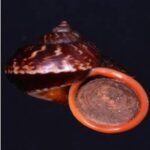
Transitioning from a casual seashell enthusiast to a serious collector requires a deep understanding of market standards. In the world of conchology, a shell is not just evaluated by its size or rarity, but by its overall condition. For collectors looking to trade or sell on international auction platforms, mastering the grading scale is the most crucial skill you can develop.
The Benchmark of Perfection: Gem vs. Fine Collectors globally use a strict, standardized vocabulary to evaluate specimens.
- Gem Quality: This is the highest tier. A “Gem” shell represents absolute perfection. It must be a fully grown adult specimen with flawless natural color. It cannot have any chips, especially on the delicate lip, and the spire must be completely intact.
- Fine Quality: Just one step below is “Fine.” These shells are still highly desirable and beautiful but may exhibit very minor, natural growth marks or slight dulling. Understanding this distinction is vital, as the price difference between a Fine and a Gem shell at auction can be substantial.
The Art of Preservation and Cleaning Finding a beautiful shell is only half the battle; preserving its condition is where true expertise shines. Specimens recovered from the ocean often come with heavy marine encrustations. The challenge lies in safely removing calcium buildup without scratching the shell’s natural, glossy enamel.
Using harsh chemicals or aggressive scraping tools can instantly downgrade a Gem shell to a lower tier. Professional collectors rely on gentle, specialized techniques—such as carefully controlled soaking, using specialized dental picks under magnification, and applying high-quality mineral oils to restore the shell’s natural luster.
A meticulously graded and beautifully preserved collection is not just a scientific display; it is a valuable asset that commands respect and high value in the international conchology market.